

Information Security and Data Protection in 2026
March 9, 2022

Ian Westwood


March 9, 2022
Ian Westwood
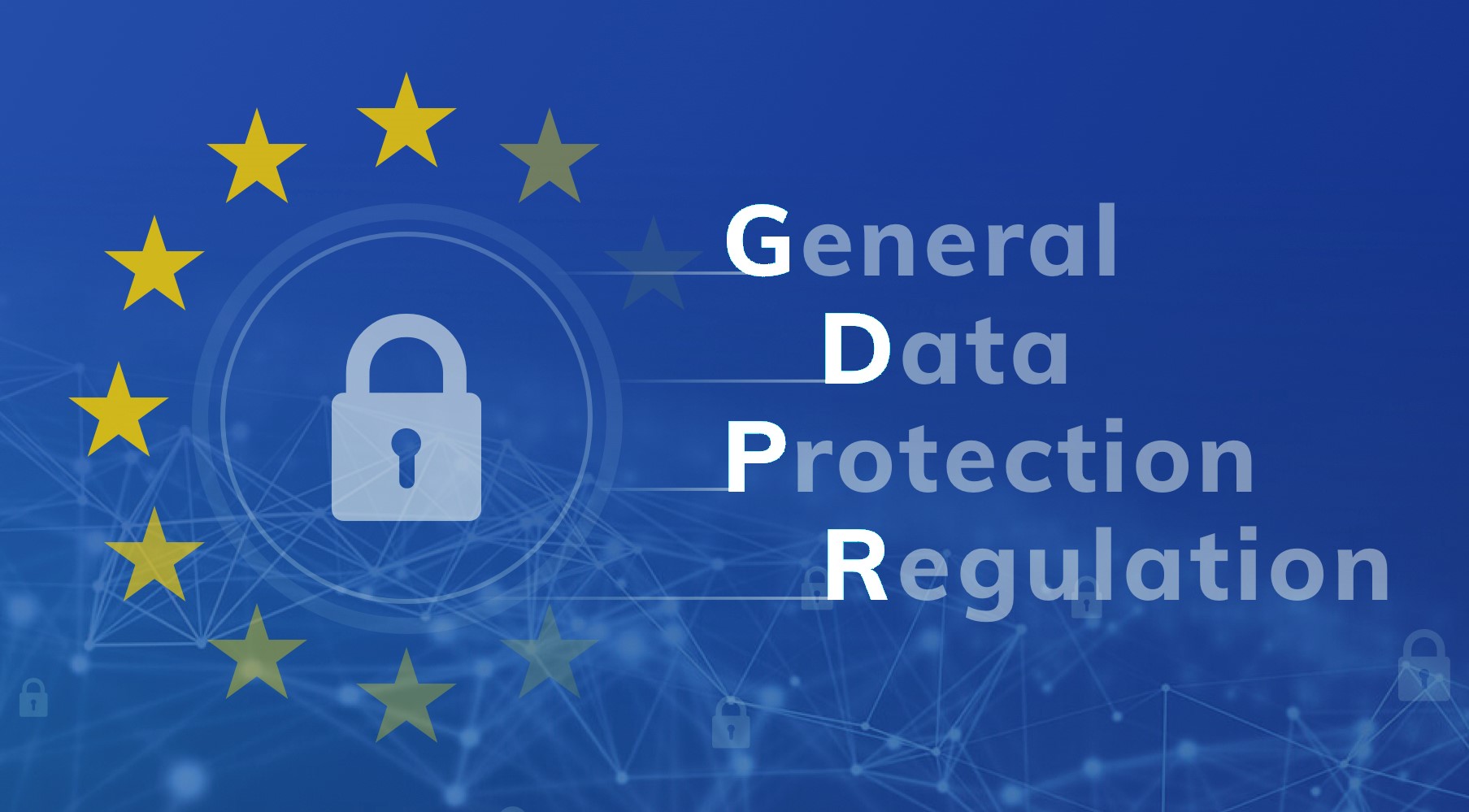
Today, personal information is one of the most valuable digital assets. Proper data protection helps reduce the risks of identity theft, online fraud, phishing attacks, and unauthorized use of personal information.
Your name, address, photographs, passport details, school information, and social media activity may all become targets for cybercriminals if proper data protection measures are ignored.
To help improve your online data protection, we have prepared several simple recommendations that can help you stay safer online.
One of the most important principles of data protection is learning how to recognize suspicious websites and phishing pages.
Cybercriminals often create fake versions of popular websites or social media platforms in order to steal usernames, passwords, and personal information.
Before entering any personal data, carefully check the website address and make sure the connection is secure.
Strong data protection starts with understanding what information websites and applications may collect from you.
Some online services request access to personal information, browsing history, device settings, or uploaded files. Carefully reviewing permissions can significantly improve your data protection.
Think carefully before posting personal information, photos, or private details on social media.
Information shared online can remain accessible for many years, even after deletion. Photos, comments, and public posts may also affect future educational or career opportunities, as employers and recruiters often review social media profiles before hiring.
Password security plays a major role in personal data protection.
Avoid simple passwords or passwords based on your name or date of birth.
A secure password should include:
Using different passwords for different accounts also improves security.
Never share your passwords with anyone. Even the best data protection systems cannot help if account credentials are freely shared.
Be cautious of emails or messages claiming that:
These messages often contain fraudulent links designed to steal personal information or install malicious software.
Never send copies of passports, ID cards, or personal documents to unknown individuals or suspicious companies offering unrealistic jobs, prizes, or financial rewards.
Privacy settings on social media platforms are essential tools for improving data protection online.
Most social media platforms allow you to control:
Review your privacy settings regularly and limit access to personal information whenever possible.
Teaching children basic data protection principles can help them avoid online risks and unsafe communication with strangers.
If someone repeatedly asks personal questions or requests information about where you live or study, it is important to inform a parent, teacher, or another trusted adult.
Online identities are not always real, and people may pretend to be someone else.

European data protection laws such as the GDPR help protect personal information and privacy rights.
You have the right to request access to your personal data and, in many cases, ask organizations to correct or delete information you no longer want them to store.
Learn more about your data protection rights here.
The internet offers incredible opportunities to learn, communicate, and work. By using common sense and protecting your personal information, you can enjoy these benefits more safely and confidently.
Many online services allow users to convert images into PDF files. However, some platforms upload files to external servers during the conversion process, which may create privacy risks when handling sensitive documents.
Our GDPR-friendly Images to PDF Converter performs all conversions directly on the user’s device without uploading files to external servers, helping improve personal data protection and privacy.
The service supports:
Users can combine multiple images into a single PDF or merge several PDF documents together.
This solution is especially useful when working with personal documents such as passports, ID cards, driving licences, and other sensitive files.
If an Outlook email contains embedded images, you can save them manually without uploading your files to third-party websites.
Method 1 — Save Individual Images
If an email contains many embedded images:
The embedded images will usually appear automatically inside the accompanying folder and can then be copied, printed, or converted into PDF format locally on your device.
This method helps you work with embedded email images while keeping your personal information private and avoiding unnecessary uploads to external services.
P.S.: For information about personal data breach insurance, please contact our consultants by phone 700 70 500 or email [email protected].
Kirill Karslidis
Pafos, Cyprus
10.03.2022